If you’ve spent any time exploring the Finger Lakes, you’ve probably heard that Seneca Lake is known for Riesling. In fact, wine lovers from around the world seek out Seneca Lake Rieslings for their vibrant flavors, refreshing acidity, and remarkable ability to pair with food.
But what makes Finger Lakes Wine Country and Seneca Lake in particular so special? Why does Riesling thrive in the Finger Lakes when it struggles in many other parts of the country?
The answer lies in a unique combination of geography, climate, and generations of winemaking expertise.

It Starts with the Lake
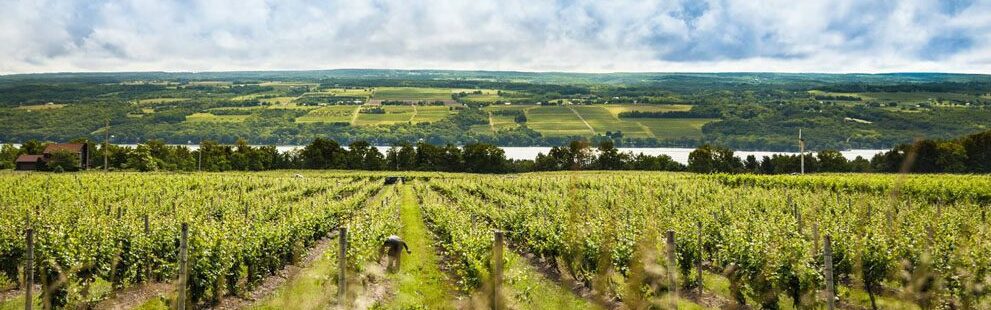
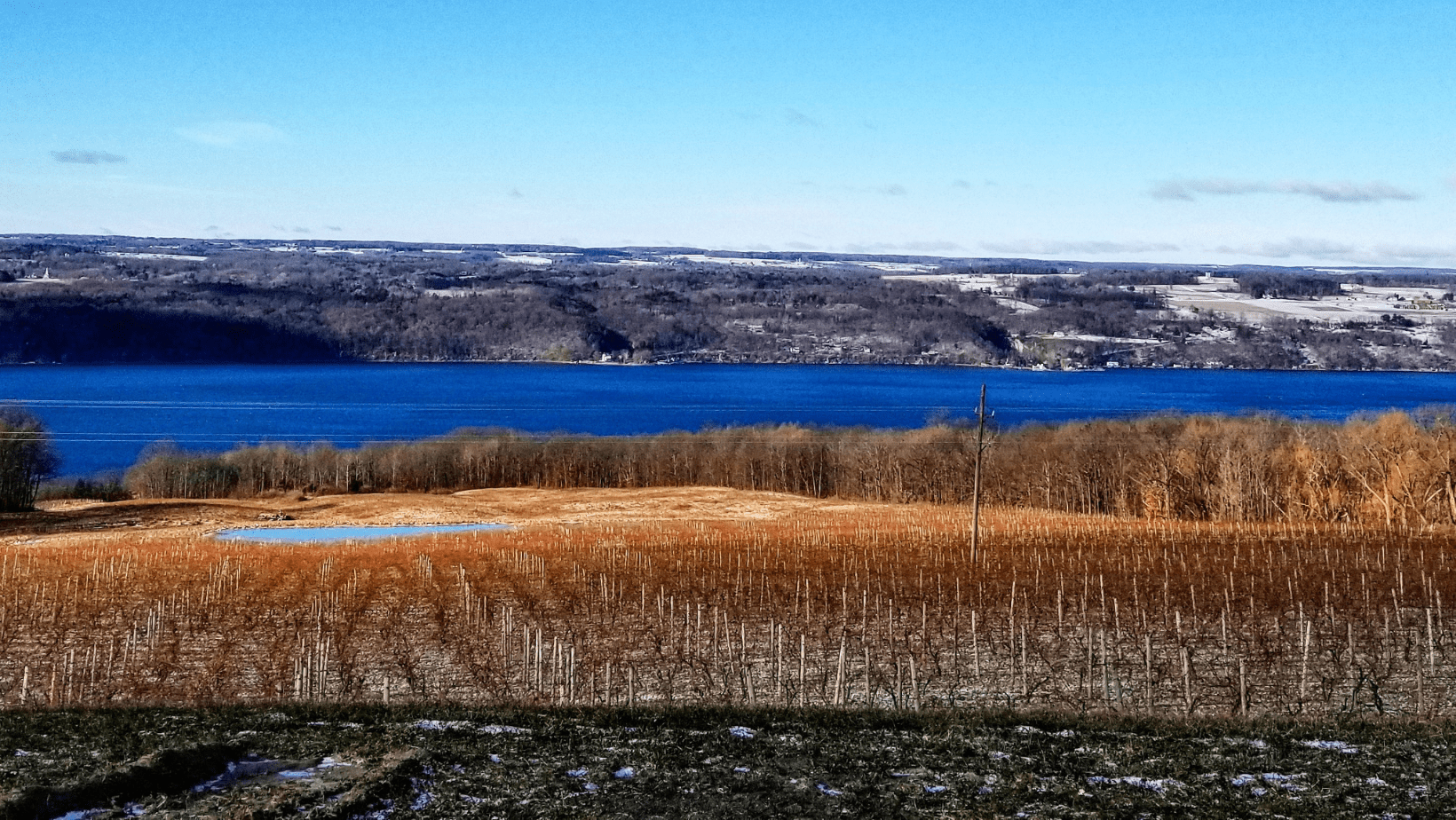
At nearly 40 miles long and more than 600 feet deep, Seneca Lake is the deepest of New York’s Finger Lakes. That depth is more than just a fun fact, it plays a critical role in creating ideal growing conditions for wine grapes.
During the summer, the lake absorbs heat from the sun. As temperatures cool in the fall and winter, that stored heat is gradually released into the surrounding landscape. This moderating effect helps protect vineyards from extreme temperature swings and extends the growing season.
For Riesling, that’s especially important.
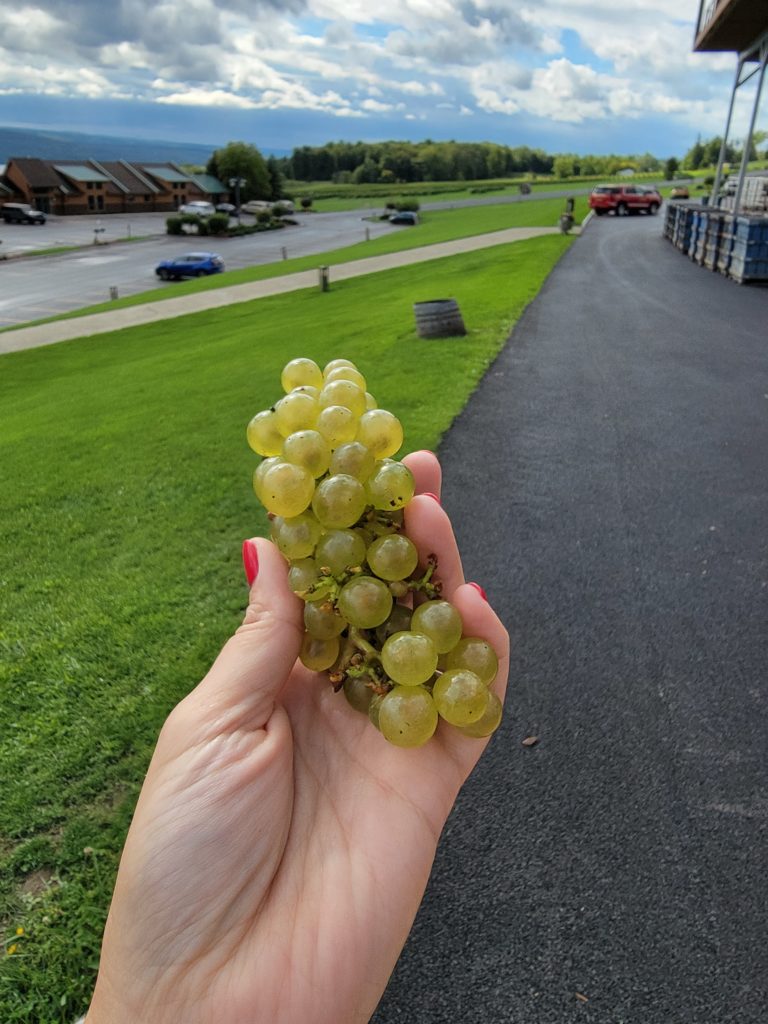
Riesling develops its best flavors when grapes can ripen slowly over a long season. Instead of rushing to maturity in intense heat, Riesling grown on Seneca Lake has time to build complexity while maintaining the bright acidity that makes the finished wine so refreshing.
Cool Climate, Big Flavor
Many of the world’s most celebrated Rieslings come from cool-climate regions, including parts of Germany, France, and Austria. Seneca Lake shares many of the same characteristics.
Warm days encourage grape development, while cool nights help preserve acidity and freshness. This balance allows winemakers to craft wines that are expressive, aromatic, and incredibly versatile.
Depending on where you visit along the Seneca Lake Wine Trail, you may encounter Rieslings with notes of:
- Green apple
- Citrus
- Peach
- Apricot
- White flowers
- Honey
- Mineral characteristics
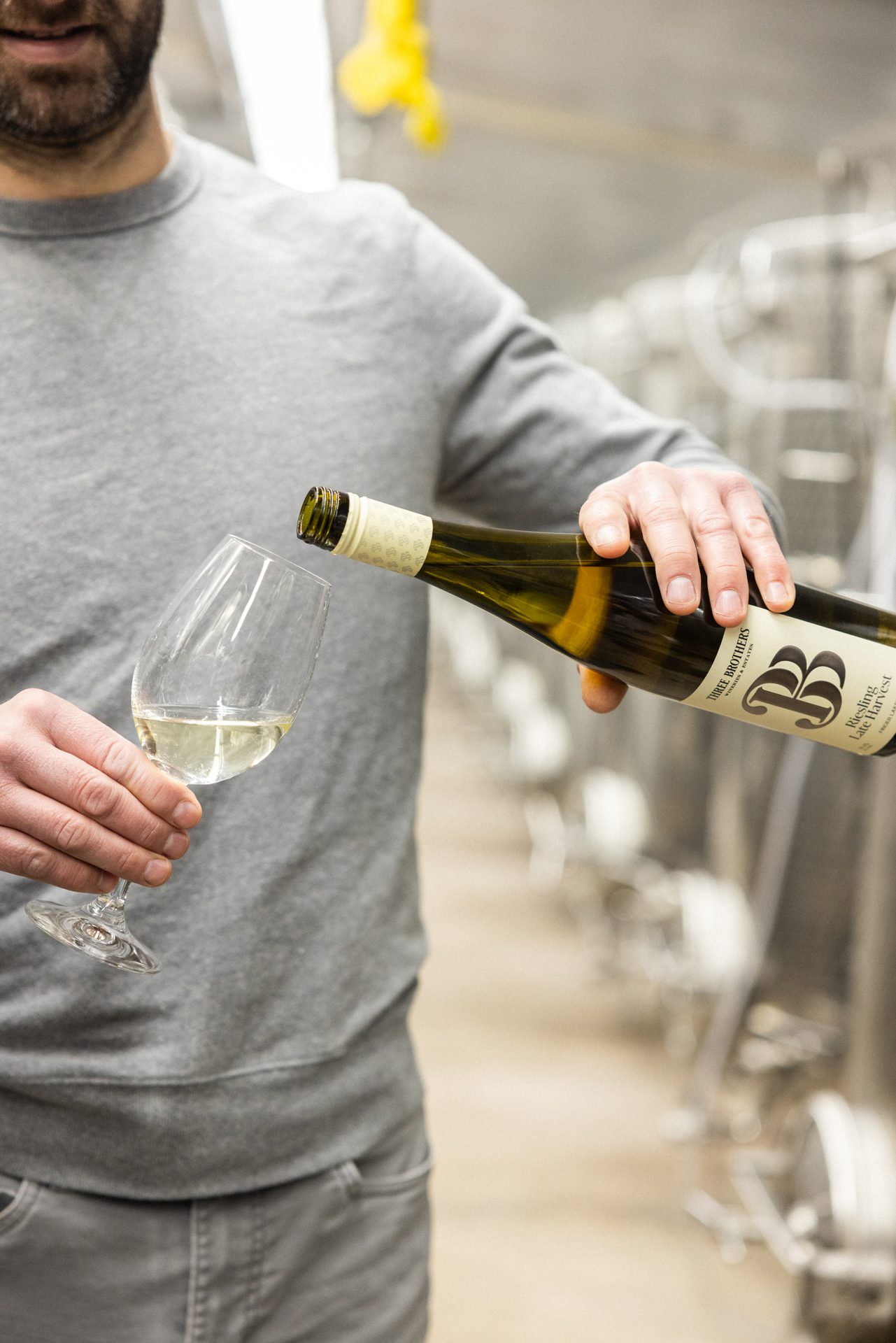
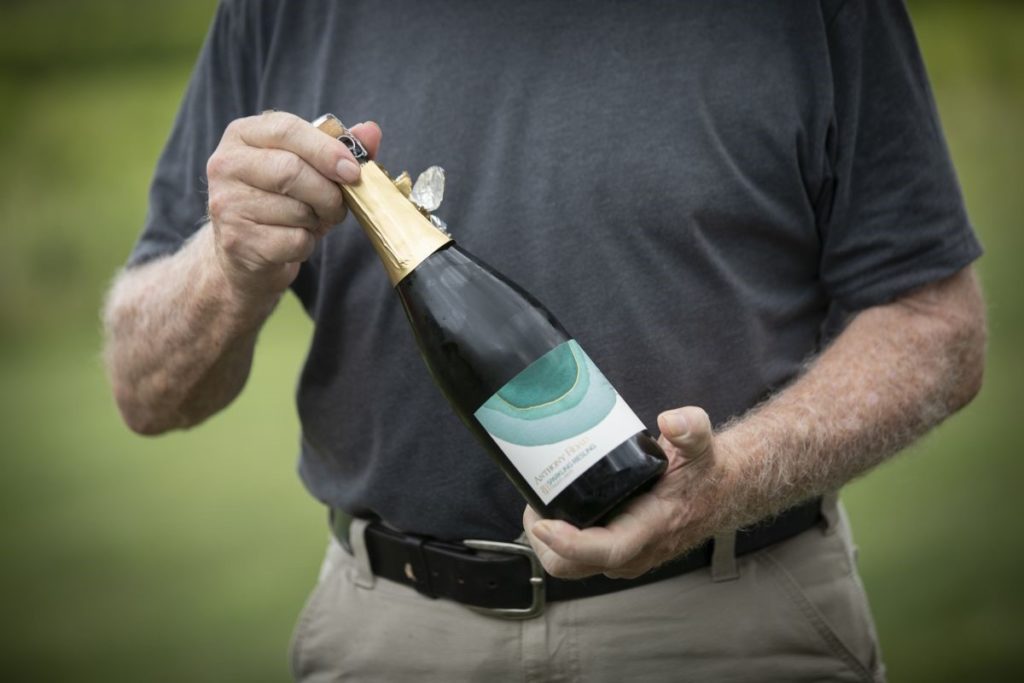
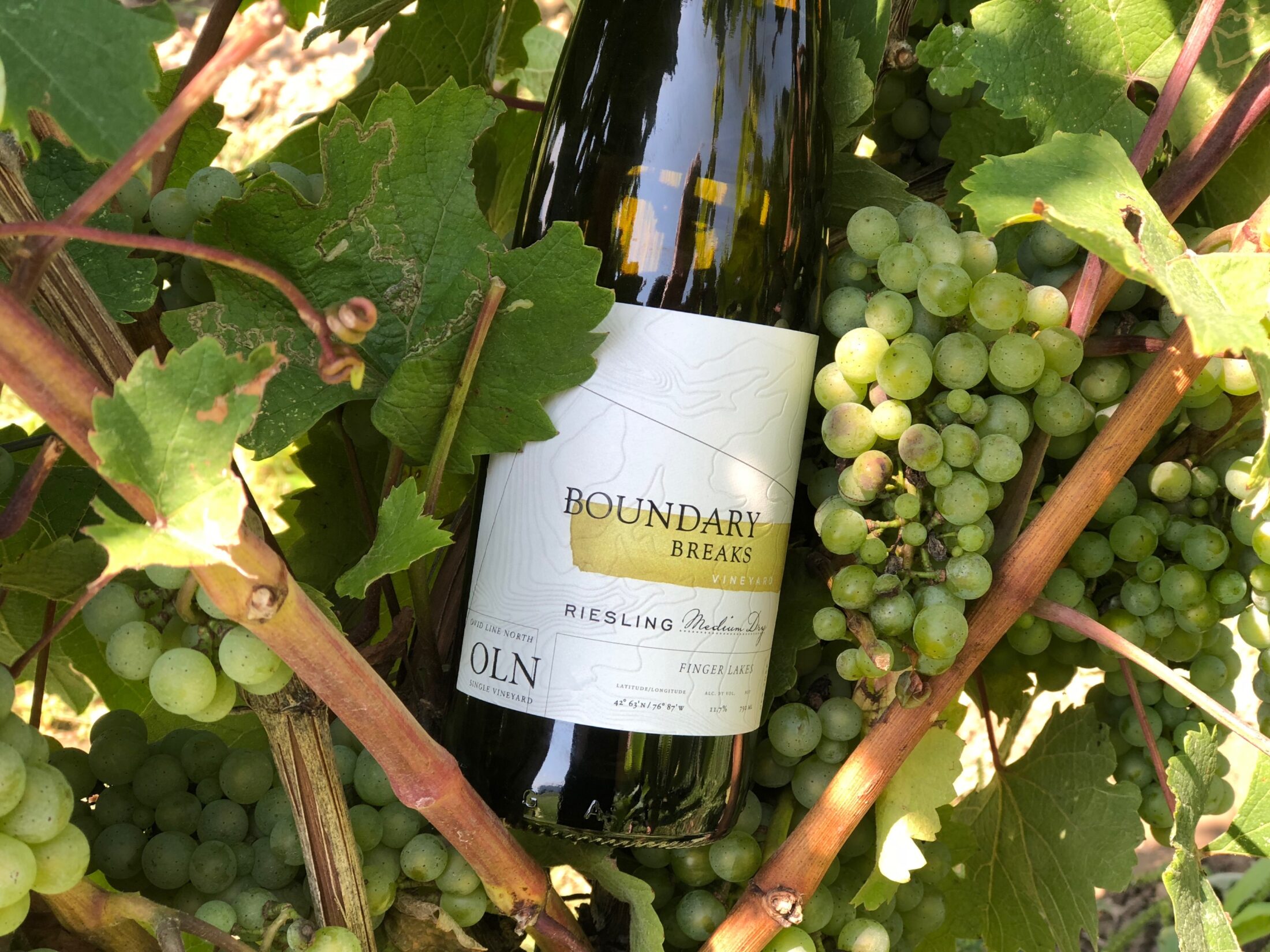
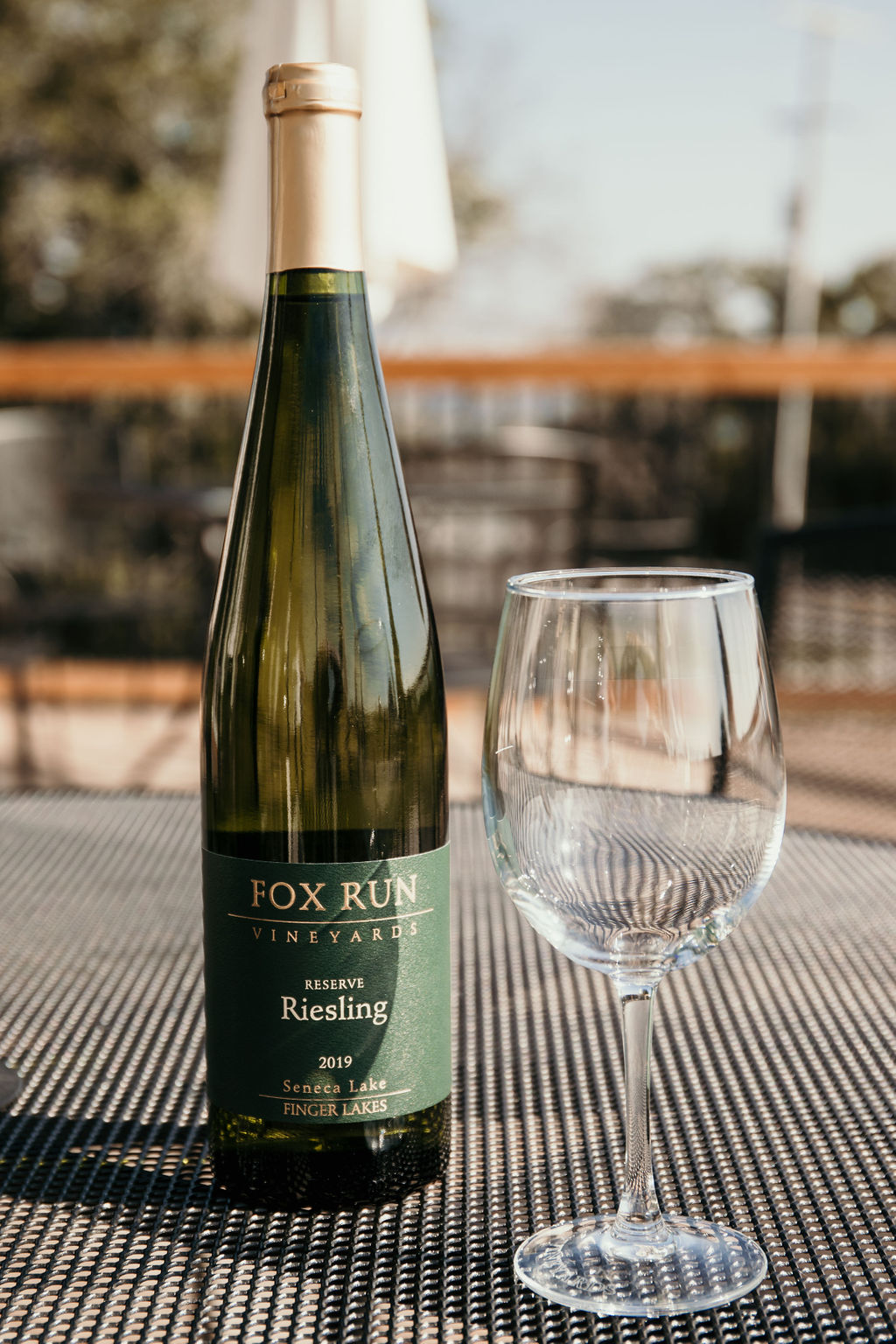
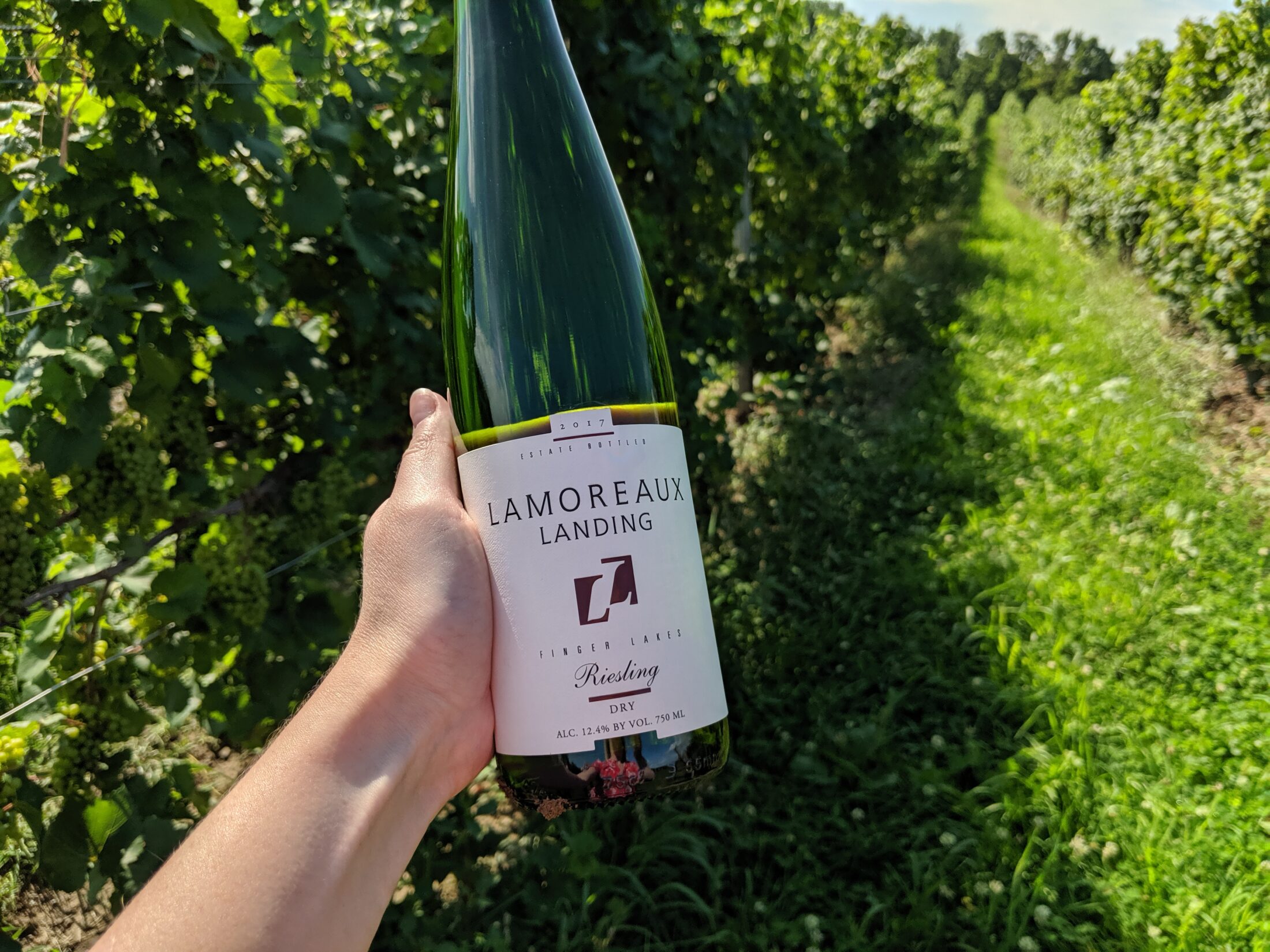
Some are dry and crisp. Others are semi-dry, offering a touch of sweetness that balances the wine’s natural acidity. You’ll even find late-harvest and dessert-style Rieslings that showcase an entirely different side of the grape.

The Hillsides Matter, Too
The vineyards surrounding Seneca Lake aren’t planted by accident.
Many vineyards sit on slopes overlooking the water, providing several advantages. Cold air naturally flows downhill, reducing the risk of frost damage. The slopes also improve sunlight exposure and water drainage, helping vines stay healthy throughout the growing season.
The result is fruit that develops concentrated flavors while retaining the freshness that Riesling is known for.
Riesling Loves a Long Growing Season
Unlike some grape varieties that need intense heat to ripen, Riesling excels when given time.
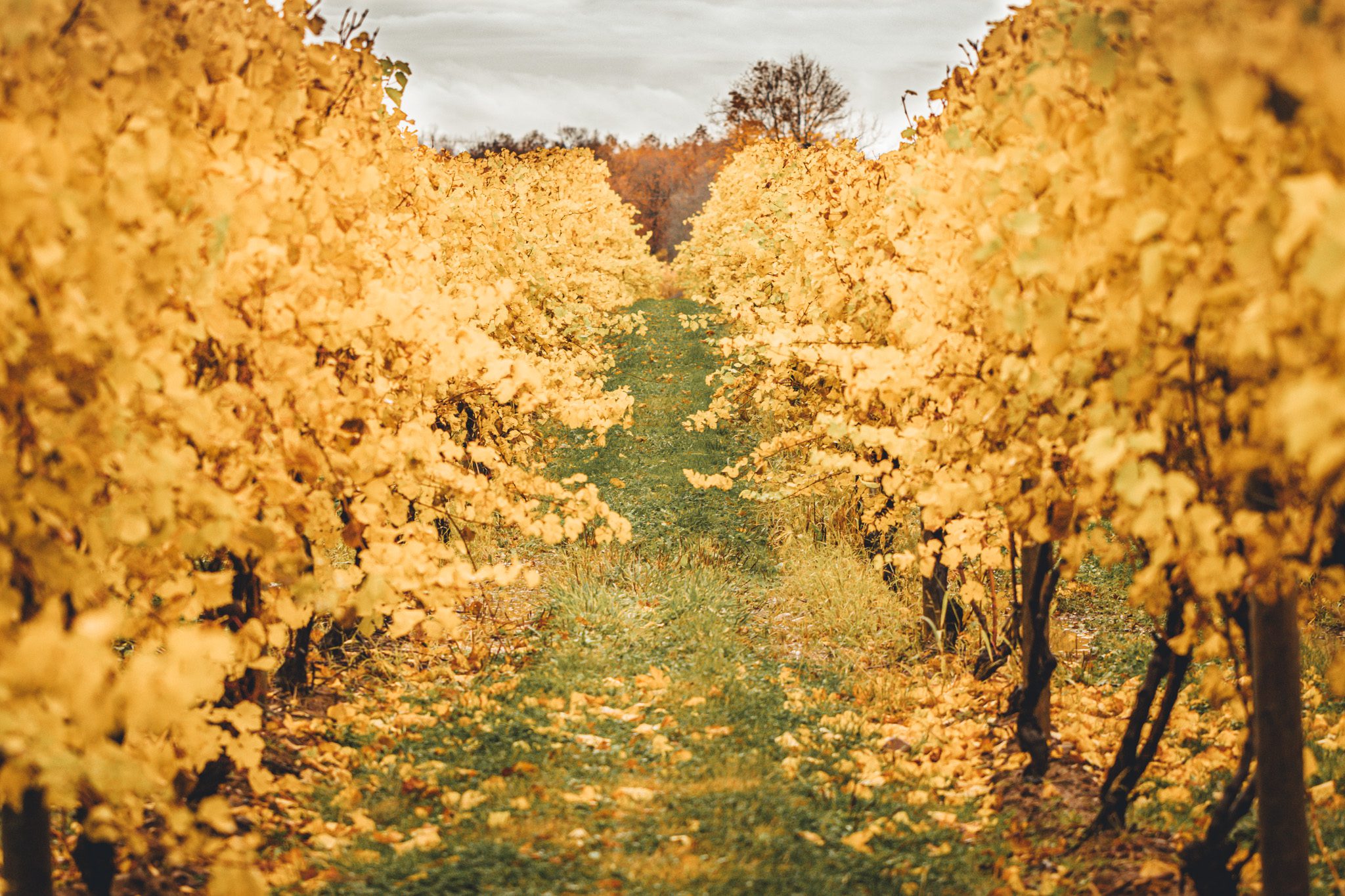
The Finger Lakes’ relatively long, moderate growing season allows grapes to mature gradually. This slow ripening process helps develop complex aromas and flavors while preserving the acidity that gives Riesling its signature energy and structure.
That’s why a glass of Seneca Lake Riesling can feel simultaneously vibrant, flavorful, and balanced.
Decades of Experience Make a Difference
Nature provides the foundation, but great wine also requires great winemakers.
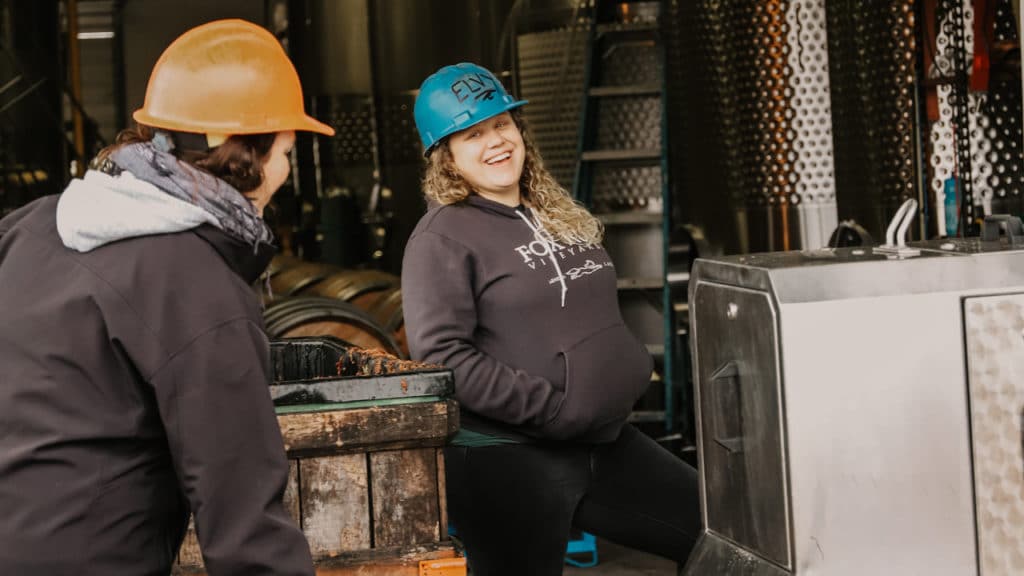
For decades, growers and winemakers around Seneca Lake have studied the nuances of local vineyards, soil types, and microclimates. Many wineries have spent generations refining their approach to Riesling, learning how to bring out the best expression of the grape year after year.
Today, Seneca Lake is home to wineries producing Rieslings that consistently earn national and international recognition, helping establish the Finger Lakes as one of North America’s premier cool-climate wine regions.
One Grape, Many Expressions
One of the reasons visitors fall in love with Riesling is its versatility.
Along the Seneca Lake Wine Trail, you can taste Rieslings ranging from bone dry to decadently sweet. Some emphasize bright citrus and mineral notes, while others showcase ripe stone fruit and floral aromas.
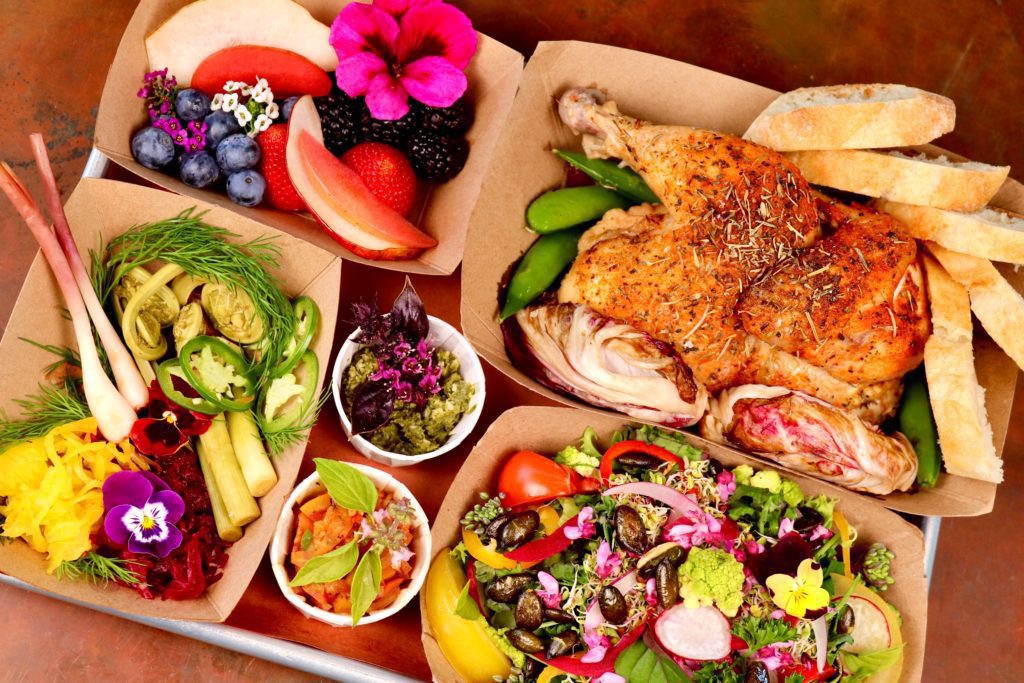
The diversity of styles means there’s often a Riesling for nearly every palate—and nearly every meal.
Taste the Difference for Yourself
The best way to understand why Seneca Lake produces such exceptional Riesling is simple: visit.
Spend a day exploring the wineries that line the shores of the lake. Taste Rieslings side by side. Talk with the people who grow the grapes and craft the wines. Discover how one grape variety can express itself in so many different ways.
You may arrive thinking Riesling is just another white wine.
You may leave wondering why you’ve waited so long to discover it.
Whether you’re a longtime wine enthusiast or completely new to Riesling, there’s no better place to experience this remarkable grape than along the shores of Seneca Lake.